Bergen-Sober-Living: A Comprehensive Exploration
Introduction
In an era where the pursuit of a healthy, balanced lifestyle has become a global priority, 'Bergen-Sober-Living' (BSL) has emerged as a transformative concept, offering a unique approach to well-being. This article delves into the multifaceted world of BSL, exploring its origins, impact, and potential to shape future lifestyles. We will navigate through its various dimensions, from cultural influences to technological innovations, while uncovering its economic implications and global reach. By the end, readers will grasp the significance of BSL and its role in fostering a sober, mindful society.
Understanding Bergen-Sober-Living
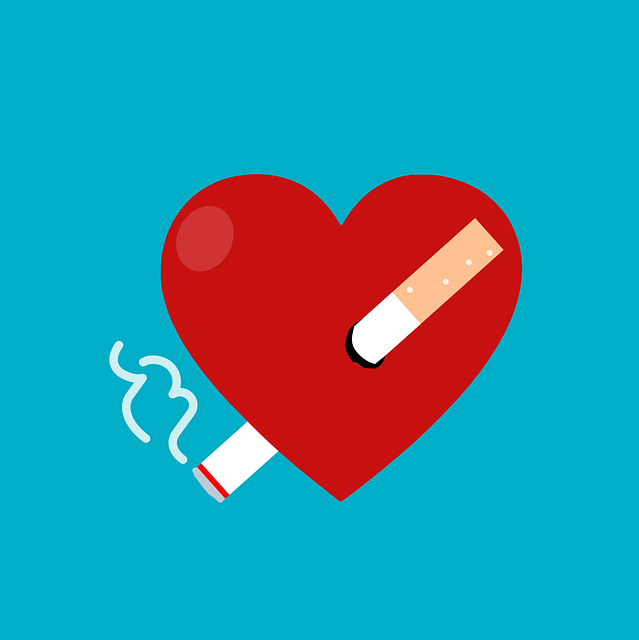
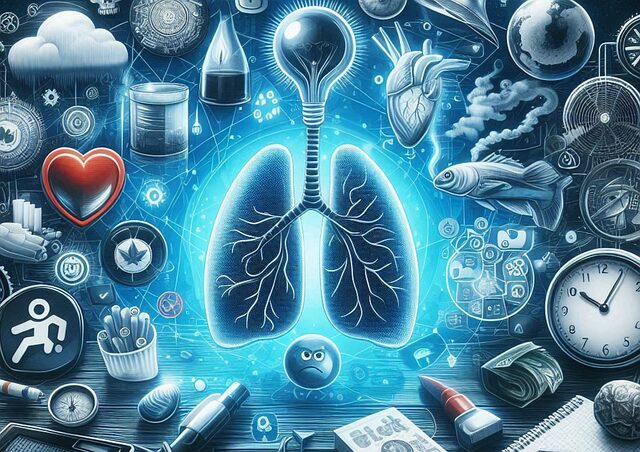
Definition: Bergen-Sober-Living (BSL) is an holistic lifestyle movement that emphasizes self-discovery, mindfulness, and personal growth through various activities promoting physical, mental, and emotional well-being. It encourages individuals to embrace a sober, balanced existence, free from substance abuse, while exploring their connection with nature, community, and inner selves.
Core Components:
- Sober Living: BSL advocates for abstinence from alcohol and other recreational drugs as a foundation for overall health. This aspect focuses on personal responsibility and self-control.
- Mindfulness Practices: Meditation, yoga, and mindful breathing exercises are integral to BSL, promoting present-moment awareness and stress reduction.
- Nature Connection: Regular interactions with nature, such as hiking, gardening, or simply spending time outdoors, are encouraged for improved mental clarity and a sense of grounding.
- Community Engagement: Building supportive communities is key, fostering connections through group activities, workshops, and peer support networks.
- Personal Growth: BSL encourages individuals to explore their passions, set goals, and engage in continuous learning, leading to personal transformation.
Historical Context: The roots of BSL can be traced back to the late 20th century when growing concerns about substance abuse and mental health issues led to a quest for alternative wellness approaches. Drawing inspiration from ancient practices and modern psychological theories, BSL emerged as a movement that blended spiritual, physical, and social elements.
Significance: BSL addresses the holistic nature of human well-being, recognizing that physical and mental health are interconnected. By promoting a balanced lifestyle, it offers an alternative to the often-fragmented approaches to wellness found in contemporary society. This inclusive philosophy has gained traction worldwide, appealing to individuals seeking personal transformation and a deeper sense of connection.
Global Impact and Trends
BSL has transcended geographical boundaries, gaining popularity across diverse cultures and continents. Its global impact is evident through several key trends:
- Urban Centers: BSL communities are sprouting up in major cities worldwide, catering to the growing demand for accessible, holistic wellness options. These urban hubs often offer a blend of yoga studios, meditation centers, and shared living spaces.
- Rural Retreats: In contrast, some individuals opt for secluded rural settings, where they can immerse themselves in nature while practicing BSL principles. This trend is particularly prominent in regions with vast landscapes, such as North America and Europe.
- Digital Accessibility: The rise of online platforms has democratized access to BSL resources. Virtual workshops, meditation apps, and digital communities allow people globally to participate without physical attendance.
- Cultural Fusion: BSL incorporates elements from various cultural traditions, leading to a rich tapestry of practices. For example, the incorporation of ancient meditation techniques from Asia alongside Western mindfulness approaches has created a unique blend appealing to a diverse audience.
Economic Considerations
The economic landscape surrounding BSL is multifaceted and evolving:
- Market Dynamics: The global wellness industry, encompassing BSL as a segment, experienced significant growth in the past decade, reaching an estimated value of $4.5 trillion in 2021 (Source: Global Wellness Institute). This growth is driven by increasing health consciousness and the demand for preventive healthcare solutions.
- Investment Patterns: Private equity firms and venture capitalists have shown interest in BSL startups, funding innovative business models that offer tech-driven wellness solutions. Apps focused on mindfulness and sober living communities have attracted substantial investment.
- Economic Impact: BSL contributes to local economies by creating employment opportunities in sectors like hospitality (for rural retreats), fitness, and mental health services. Additionally, it promotes sustainable tourism in many regions, as visitors seek immersive experiences in nature and wellness practices.
Technological Advancements
Technology plays a pivotal role in shaping the future of BSL:
- Mobile Apps: Numerous apps cater to various aspects of BSL, from mindfulness meditation guides to sober living community platforms. These digital tools offer personalized programs, making it easier for individuals to access resources and support.
- Virtual Reality (VR) Therapy: VR is being utilized in BSL to create immersive experiences that aid in therapy and stress reduction. This technology allows users to expose themselves to controlled environments, helping with phobias or trauma recovery.
- Wearable Devices: Fitness trackers and health monitors are popular among BSL practitioners who use them to track their progress, set fitness goals, and maintain a balanced lifestyle.
- Online Communities: Social media platforms host vibrant online communities centered around BSL, enabling individuals worldwide to connect, share experiences, and offer support. These digital spaces foster a sense of belonging and encourage peer learning.
Policy and Regulation
The regulatory environment surrounding BSL varies across regions, reflecting cultural and social norms:
- Substance Abuse Laws: Many countries have stringent laws regarding substance possession and abuse, which indirectly impact BSL by influencing the availability of resources and support for those seeking recovery.
- Health and Wellness Regulations: Some jurisdictions have implemented guidelines for wellness centers and retreats to ensure quality and safety standards. These regulations cover areas like facility sanitation, staff qualifications, and emergency response protocols.
- Privacy Concerns: As BSL often involves personal sharing and vulnerability, privacy laws are critical. Countries with robust data protection legislation ensure that individuals' information shared within BSL communities remains secure.
- International Collaboration: Global health organizations collaborate to set standards for mental health and wellness practices, providing a framework for BSL programs worldwide. The World Health Organization (WHO) plays a significant role in this regard, promoting evidence-based approaches to well-being.
Challenges and Criticisms
Despite its growing popularity, BSL faces several challenges and criticisms:
- Stigma and Misunderstanding: One of the primary obstacles is societal stigma associated with substance abuse recovery and mental health issues. Some individuals may perceive BSL as a form of shame or punishment rather than a supportive lifestyle choice.
- Accessibility: While technology has increased accessibility, BSL resources still face challenges in reaching underserved communities, particularly in rural or low-income areas.
- Consistency of Practice: As BSL relies heavily on community engagement and personal commitment, ensuring consistent practice can be difficult. Individual motivation plays a significant role in the success of their BSL journey.
- Regulatory Compliance: For organized BSL communities, navigating complex legal frameworks can be challenging, especially when operating across borders. This is particularly true for issues related to data privacy and health regulations.
Strategies for Overcoming Challenges:
- Education and Awareness: Raising public awareness through campaigns and educational initiatives can help dispel myths and reduce stigma surrounding BSL and mental health.
- Community Outreach: Establishing partnerships with local communities, schools, and organizations can improve accessibility and reach underserved populations.
- Personalized Support: Tailoring BSL programs to individual needs ensures better engagement and success rates. This may include offering diverse practices and accommodating different cultural backgrounds.
- Legal Advocacy: Lobbying for supportive policies and regulations will create a more enabling environment for BSL organizations and practitioners.
Case Studies: Successful Implementations
1. The Serenity Retreat, USA
This renowned retreat offers a holistic approach to recovery and personal growth in the serene mountains of Colorado. It combines traditional 12-step programs with mindfulness practices, yoga, and outdoor adventures. The program's success lies in its tailored approach, where residents work closely with therapists and mentors to develop personalized recovery plans.
2. Sustainable Living Community, Australia
Located on the eastern coast of Australia, this community embraces BSL principles within a sustainable ecosystem. Residents participate in organic farming, permaculture, and ecological building practices while engaging in mindfulness workshops and support groups. This unique model has attracted international attention for its holistic approach to living and healing.
3. Urban Zen Center, Japan
In the bustling city of Tokyo, the Urban Zen Center provides a peaceful sanctuary for mindful living. It offers meditation retreats, yoga classes, and workshops that blend Eastern and Western practices. The center's success lies in its ability to attract a diverse, global audience seeking tranquility amidst urban chaos.
Future Prospects
The future of BSL is filled with promising possibilities:
- Personalized Wellness: Advancements in technology will enable highly personalized wellness programs tailored to individual genetic profiles and lifestyle preferences.
- Virtual Reality Integration: VR will continue to play a significant role, offering immersive experiences for stress reduction, phobia therapy, and mindful living simulations.
- Sustainable Focus: As environmental consciousness grows, BSL communities will increasingly emphasize sustainability, embracing eco-friendly practices in housing, food production, and waste management.
- Global Collaboration: International partnerships between BSL organizations can lead to the exchange of best practices, research, and resources, ultimately improving global access to holistic wellness programs.
- Corporate Wellness Programs: Businesses are likely to embrace BSL principles, incorporating them into employee wellness packages to enhance productivity and job satisfaction.
Conclusion
Bergen-Sober-Living represents a significant shift towards embracing a balanced, mindful lifestyle as a means of enhancing overall well-being. Its global impact, technological innovations, and growing acceptance underscore its importance in the modern world. As society continues to prioritize health and personal growth, BSL is poised to play an increasingly vital role in shaping a healthier, more connected future.
FAQ Section
Q: What is the primary difference between Bergen-Sober-Living and traditional rehabilitation centers?
A: While both focus on recovery and well-being, BSL emphasizes holistic practices and personal growth beyond addiction or mental health issues. Traditional rehab centers typically provide medical and therapeutic treatments for specific disorders.
Q: Can BSL be practiced independently without joining a community?
A: Absolutely! Many individuals practice BSL independently by incorporating mindfulness, nature walks, and healthy habits into their daily routines. However, joining a community offers support, accountability, and access to resources.
Q: How do I get started with Bergen-Sober-Living?
A: Begin by researching local groups or retreats that align with your interests. Many online platforms provide resources for finding BSL communities. You can also start small by incorporating mindful practices like meditation into your daily routine and exploring nature in your area.
Q: Is BSL suitable for everyone, regardless of age?
A: BSL principles can be adapted for individuals of all ages. However, certain activities may need to be modified for younger or older adults. It's essential to find a balanced approach that suits personal preferences and physical capabilities.
Q: Can technology fully replace the benefits of in-person BSL communities?
A: While technology offers accessibility and convenience, in-person interactions within BSL communities provide unique support networks and a sense of belonging. Combining both can be ideal, offering individuals the best of both worlds.
August 18, 2025
bergen-sober-living
Sober homes and transitional housing in Bergen County, New Jersey, provide essential support for individuals recovering from substance use disorders. These residences offer structured environments with autonomy, promoting personal growth, self-reliance, a.......
Read more →
August 18, 2025
bergen-sober-living
Sober homes in Bergen County, NJ, offer structured support for recovery, catering to diverse needs with counseling, employment aid, and local resources. Emphasizing independence and community, these homes bridge intensive treatment and independent living,.......
Read more →
August 17, 2025
bergen-sober-living
Bergen County, New Jersey offers a diverse range of bergen county sober living options, including sober living homes and transitional housing for individuals recovering from substance abuse. These facilities provide personalized programs, counseling, and.......
Read more →
August 17, 2025
bergen-sober-living
Sober homes in Bergen County, New Jersey, provide crucial transitional support for individuals recovering from substance use disorders, emphasizing community, accountability, and structured routines. With strict policies, random inspections, counseling, j.......
Read more →
June 18, 2025
bergen-sober-living
Transitional housing, particularly sober living homes in Bergen, NJ, is a vital support system for individuals recovering from substance abuse. These structured environments offer counseling, group therapy, and educational workshops to help residents main.......
Read more →