
Sober homes in Bergen County, New Jersey, provide crucial transitional support for individuals recovering from substance use disorders, emphasizing community, accountability, and structured routines. With strict policies, random inspections, counseling, job assistance, and support groups, these homes create a safe environment for rebuilding lives free from addiction, fostering successful reintegration into society. Choosing the right sober home requires understanding individual needs, researching facilities, visiting homes, and ensuring alignment with recovery goals. Residents receive holistic support, including therapy, peer counseling, workshops, vocational training, and medical access, tailored to their unique recovery journeys.
"Navigating the path to recovery can be challenging, but in Bergen County, New Jersey, there's a growing network of support. Sober living homes and transitional housing options play a crucial role in helping individuals achieve long-term sobriety. This comprehensive guide explores these resources, focusing on understanding sober homes in the area, the benefits of transitional programs, and how to choose the right facility. We also delve into the vital support services available, ensuring a smoother transition towards a vibrant, sober future."
- Understanding Sober Living Homes in Bergen County
- Benefits of Transitional Housing Programs
- Locating and Choosing the Right Facility
- Support Services Available for Residents
Understanding Sober Living Homes in Bergen County
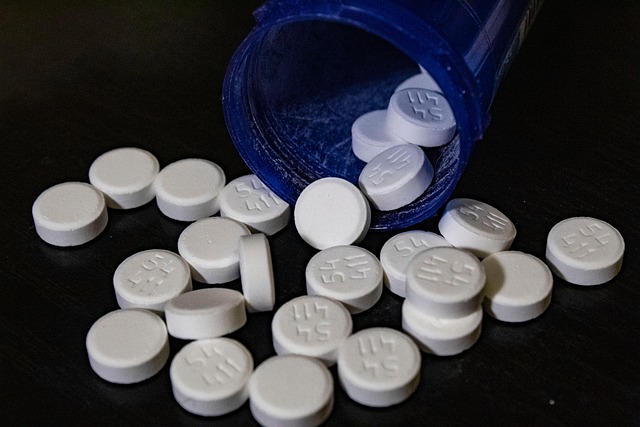
In Bergen County, New Jersey, sober living homes offer a supportive environment for individuals in recovery from substance use disorders. These residences are designed to provide a bridge between inpatient treatment and returning to independent living. Sober homes in Bergen NJ foster community among residents, promoting peer support and accountability through shared experiences. They typically have strict rules related to drug and alcohol use, regular random inspections, and structured routines aimed at encouraging long-term sobriety.
These homes often serve as transitional housing, offering a safe space for individuals to rebuild their lives free from addiction's grasp. Many sober living facilities in the area provide access to resources like counseling services, job assistance, and ongoing support groups, integrating recovery into daily life. This holistic approach aims to equip residents with tools and skills necessary for sustained sobriety and successful reintegration into society as they transition out of the program.
Benefits of Transitional Housing Programs

Transitional housing programs offer a wide range of benefits for individuals looking to recover from substance abuse and rebuild their lives in Bergen County. These programs provide safe and supportive environments, allowing residents to focus on their recovery while gaining access to essential resources like counseling, job training, and education opportunities. By offering structured routines and community support, sober living homes in Bergen NJ play a crucial role in helping residents develop coping mechanisms, build resilience, and maintain sobriety.
In addition to providing a stable foundation for recovery, transitional housing offers a sense of normalcy and community, which is vital for long-term success. Residents can gradually reintegrate into society while enjoying the camaraderie and support of like-minded individuals going through similar challenges. This supportive network not only fosters personal growth but also helps residents develop strong support systems that will be invaluable as they transition into independent living.
Locating and Choosing the Right Facility

Finding the ideal sober home in Bergen County involves a careful consideration of various factors. Start by identifying your specific needs and preferences—is it a short-term transitional housing solution or long-term recovery housing? Each option has its own set of benefits, catering to different stages of recovery. Researching local facilities that specialize in providing safe, supportive environments for those in recovery is key. Look for well-maintained properties with staff trained in addiction and mental health support.
When evaluating sober homes in Bergen NJ, visit the facilities to get a firsthand feel for their atmosphere and amenities. Check reviews from previous residents to gauge the level of care and community support offered. Ensure the facility aligns with your budget and offers services that meet your personal recovery goals, such as therapy, counseling, or group meetings. Making an informed decision will contribute to a smoother transition and enhance your overall recovery journey.
Support Services Available for Residents

In sober homes Bergen NJ, residents benefit from a range of support services designed to aid their recovery journey. These often include individual and group therapy sessions, as well as peer-to-peer counseling, ensuring that individuals have access to emotional and psychological support throughout their stay. Many sober living homes also organize community outreach programs, 12-step meetings, and educational workshops to empower residents with the knowledge and skills for long-term sobriety.
In addition to these services, transitional housing options in Bergen County frequently offer vocational training and career counseling to help residents reintegrate into society and secure stable employment. They may also facilitate access to medical care, substance abuse treatment programs, and mental health services, creating a comprehensive support network that addresses all aspects of recovery and personal growth.
Sober living homes and transitional housing programs in Bergen County play a vital role in supporting individuals on their path to long-term recovery. By offering structured environments and essential services, these facilities provide a strong foundation for those seeking to overcome substance use disorders. Whether it's the benefits of transitional housing or understanding the unique needs met by sober homes Bergen NJ residents can access, choosing the right support is key. With the right guidance, individuals can navigate this important step towards a brighter future, free from addiction's grasp.